Slab Leak Detection & Repair
Warm floors, damp carpet, or water running under the concrete? We pinpoint slab leaks within inches — no torn-up floors, no guesswork.
View this serviceCOLD SPRINGS, NV • ZIP CODE 89508
No visible puddle? A hidden leak can still need attention.
You don’t have to wait for water to reach the surface before arranging an inspection. Our leak detection in Cold Springs investigates unexplained water use and suspected pipe leaks, including concerns beneath floors and along buried supply lines. We serve homes in ZIP code 89508, including Woodland Village and the surrounding Cold Springs community.
The visit focuses on establishing whether water is escaping and narrowing down the affected plumbing. Depending on the pipe material and available access, testing may involve checking individual sections or listening for evidence of a pressurized leak. Leak Detection Reno explains the results and any remaining uncertainty, then discusses repair options based on the findings rather than waiting for visible damage.
No-obligation advice • Flat-rate quote before any work starts • 60–90 min emergency response across Reno & Sparks
60–90 min
Typical emergency dispatch to Cold Springs
$195–$395
Flat-rate detection visit
Wells + TMWA
Every utility setup covered
Septic-ready
Supply vs leach-field testing
Cold Springs, NV
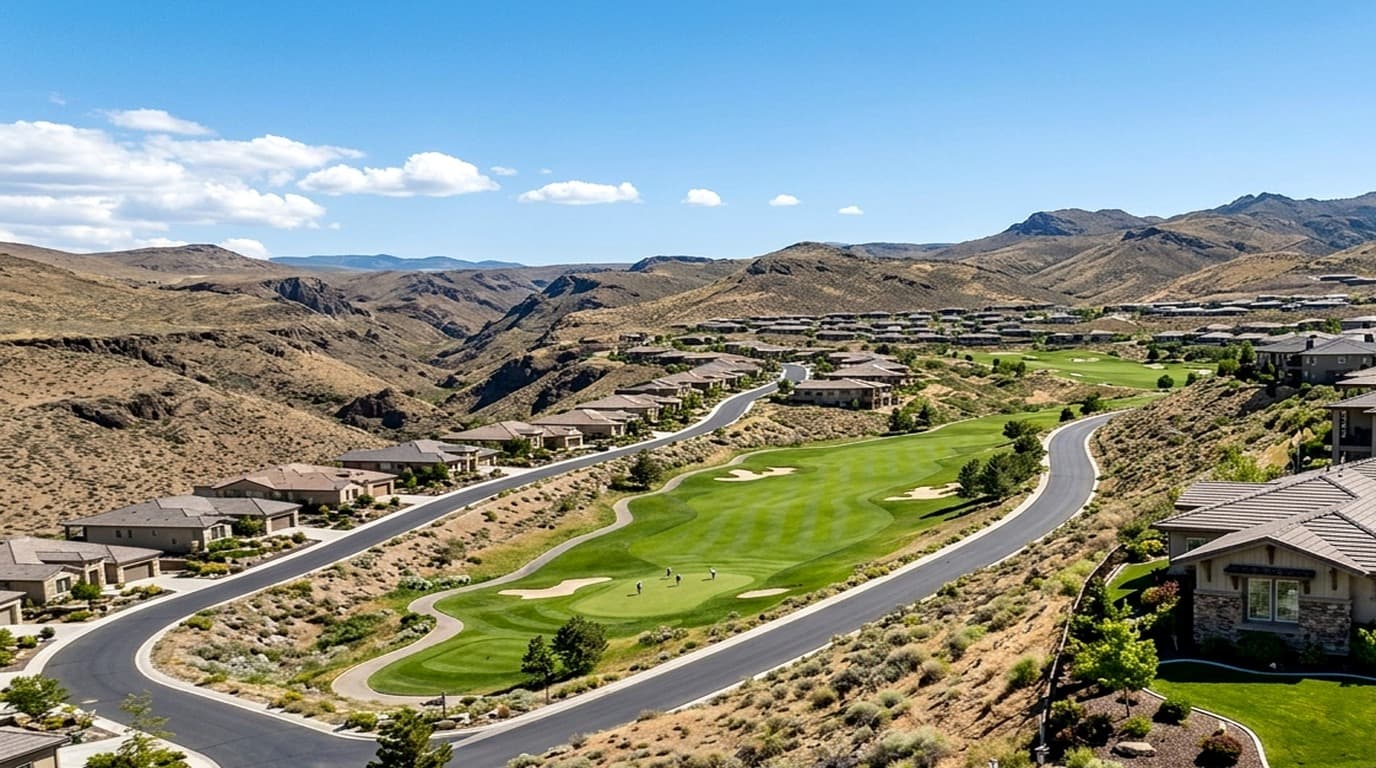
Cold Springs sits along US-395 in unincorporated Washoe County, ZIP 89508, between Reno's edge and the California line — and its weather is not a footnote, it's the headline. The community sits in one of the windiest corridors in the region: the Reno Gazette-Journal logged 55 to 60 mph gusts along US-395 from Lemmon Valley to Cold Springs in a single May 2025 storm, and spring is reliably the windiest season. The housing mix spans 1970s and 80s ranchettes on acreage, 2000s subdivisions, and one of the metro's most active new-construction zones — from Juniper Village to 226 new homes listed by a dozen builders, with the Stonegate and Heinz Ranch planning area weighing in at 1,350 future units.
The water map is a patchwork, and it changes how leaks are found. TMWA's inventory of private systems put Cold Springs Utilities on groundwater wells with tank and distribution west of the highway, supplemented by TMWA's Fish Springs Ranch supply — while the big-lot parcels still run private wells and septic systems. Each setup fails differently: a well pump that short-cycles, a supply line that fades at the far fence line, a damp patch that could be a broken lateral or a saturated leach field. And on well water, hardness runs high — decades of scale narrow bores until the weakest fitting finally gives.
Then there's the cold. The name is literal — cold-air drainage pools in the basin on clear winter nights, and the corridor wind strips whatever insulation you meant to add. Freeze splits cluster on shallow irrigation lines, crawlspace runs, and anything exposed on the west side of the house. Our survey is built for all of it: acoustic, thermal, pressure-isolation, and tracer-gas locating from the surface; camera and hydrostatic testing where sewer or septic is in question; and long-run locating that reaches across acreage frontages. Flat-rate, no surcharge for living on an acre instead of a lot.
Common Leaks
Wind, wells, and wide lots write their own leak patterns. These six dominate our Cold Springs call log.
Corridor gusts strip insulation off exposed runs and drive cold deeper than anywhere else in the metro. Shallow irrigation lines and crawlspace plumbing split on the coldest nights — spring start-ups find what December broke.
A pump that kicks on every few minutes with nothing running is the well owner's leak alarm. The loss hides anywhere from the drop pipe to the buried service between wellhead and house — we isolate the run and mark the break.
On septic parcels, a damp patch is a diagnosis question before it's a repair. We pressure-test the supply side first; if it holds, the conversation moves to the leach field. Guessing wrong means excavating in the wrong place.
Groundwater in this corner of the county runs hard, and decades of scale narrow the bore until pressure climbs at every restriction. The failure lands at the weakest fitting — rarely at the same spot twice.
The subdivisions that grew fast keep consolidating underneath themselves long after the builders left. Rigid supply lines pay at every change of direction — failures cluster exactly where the pipe turns.
Big lots mean long buried runs from the road to the house. A split mid-run can bleed for months under lawn and sage before the bill, the pump, or a soft spot in the pasture finally announces it.
All Specialties
Every specialty we run across the valley runs in Cold Springs — from 2000s subdivision slabs to well-fed ranchettes and long rural service lines, same flat rates.
Warm floors, damp carpet, or water running under the concrete? We pinpoint slab leaks within inches — no torn-up floors, no guesswork.
View this serviceFrom the meter to your faucets — we trace pressure drops, soggy yards, and humming pipes to the exact break in your main water line.
View this serviceBuried service lines are invisible until the yard turns soft. Acoustic and pressure testing locates the leak so excavation stays small and surgical.
View this serviceIn-wall and ceiling leaks found with thermal imaging and moisture mapping — minimal demolition, maximum accuracy, mold stopped before it starts.
View this serviceBurst pipes and active leaks can't wait — 24/7 emergency response across Reno and Sparks with water shut-off guidance over the phone while we're on the way.
View this serviceCamera inspections, smoke testing, and hydrostatic testing that reveal exactly what's wrong under your yard — roots, bellies, cracks — and the least disruptive fix.
View this serviceHidden sprinkler and irrigation line leaks waste thousands of gallons every season — zone-by-zone testing finds them and cuts your water bill down to size.
View this serviceHotels, restaurants, offices, and multi-family properties — fast, documented leak location that keeps tenants happy and doors open.
View this serviceSuspect a gas leak? If you smell gas right now, leave and call 911 — then let us find and fix the leak with combustible gas detection and pressure testing.
View this serviceUnderstanding Local Leaks
The corridor's weather and its water patchwork do most of the damage. The leaks follow from the geography.
Gusts of 55–60 mph are documented along US-395 from Lemmon Valley to Cold Springs — and spring is the windiest season of all. Wind strips insulation, deepens freeze penetration, and turns every exposed run into a countdown.
Cold Springs Utilities' wells, TMWA's Fish Springs Ranch supply, and private wells all serve 89508 — and each fails differently. We identify your setup on the phone and bring the playbook it actually needs.
Acreage west of the highway largely runs septic, so a wet yard is an open question. Supply-versus-leach-field discrimination comes standard before anyone quotes an excavation.
2000s subdivisions and today's new construction — 1,350 more units planned at Stonegate and Heinz Ranch — mean young fill lots and fifty-year-old service lines can sit within blocks of each other. Both need very different attention.
Our Response
From our 89503 base, Cold Springs is a straight run up US-395 — and the process is built for properties where the leak might be a hundred yards from the door.
First question is always which setup you're on: Cold Springs Utilities, TMWA, or a private well — and septic or sewer. The answer changes the survey. Emergencies roll immediately.
Typical emergency dispatch reaches Cold Springs addresses within 60–90 minutes, routed up US-395 with acreage-capable survey gear aboard — long-range acoustics, tracer gas, and pressure-testing equipment.
We locate from the surface across long frontages — acoustic surveys that cover ground, tracer gas for buried runs, pressure isolation to split supply from irrigation. Camera and hydrostatic testing settle sewer and septic questions.
Repairs are quoted flat and approved first. TMWA customers get adjustment-ready documentation; Cold Springs Utilities and well owners get insurer-ready reports. One visit, documentation that works for your utility and your agent.
Straight Answers
Flat-rate and quoted before we begin — lot size changes where we walk and which tools we deploy, not what we charge.
| Service | Typical Reno Price | What's Included |
|---|---|---|
| Leak detection visit | $195–$395 flat-rate | Full acoustic + thermal/pressure survey, the leak marked on-site, and a written report with photos |
| Emergency response | Same flat-rate philosophy | 24/7 live triage with shut-off coaching and a 60–90 minute typical dispatch — quote confirmed before we roll |
| Spot repair at the marked location | Flat-rate, quoted on-site | One small, deliberate opening exactly at the confirmed failure — approved by you before we start |
| Reroute or section replacement | Custom flat-rate quote | Failing runs priced for full replacement up front, routed to minimize disturbance |
TMWA customers qualify for documented bill adjustments; Cold Springs Utilities and well owners get the same written report for insurance and utility records. Septic parcels are never charged extra for supply-versus-leach-field testing.
Get a Firm Quote — Call NowWhere We Work
From the northwest corner we cover the entire Truckee Meadows. These neighboring guides map the rest of it.
Common Questions
Leak Detection Reno provides leak detection and repair across Cold Springs, Reno/Sparks NV and the greater Truckee Meadows — nine specialties, one flat-rate discipline, headquartered at 698 N Arlington Ave, Reno, NV 89503. Call (755) 227-9923 or email leakdetectionreno@gmail.com — a person answers 24/7 and pricing is quoted before any work begins.